प्राण
Enter into Energy
For more than two thousand years, people in India have sat down each day to work with prana, the Sanskrit word for life energy. The practice needs three things: a place to sit, a few objects to hold, and a teacher.
AtaalaPrana brings all three to your home: a crafted collection for energy practice, each piece made by an Indian artisan who has honed that craft for a lifetime, and a short guided session each day in the ataala app.
The first collections ship in spring 2027, from £68. Join the waitlist and we write to you before anyone else.
Where the practice comes from
The oldest Indian texts, the Vedas and the Upanishads, describe prana as the energy that moves with the breath and keeps the body alive. They are more than two and a half thousand years old.
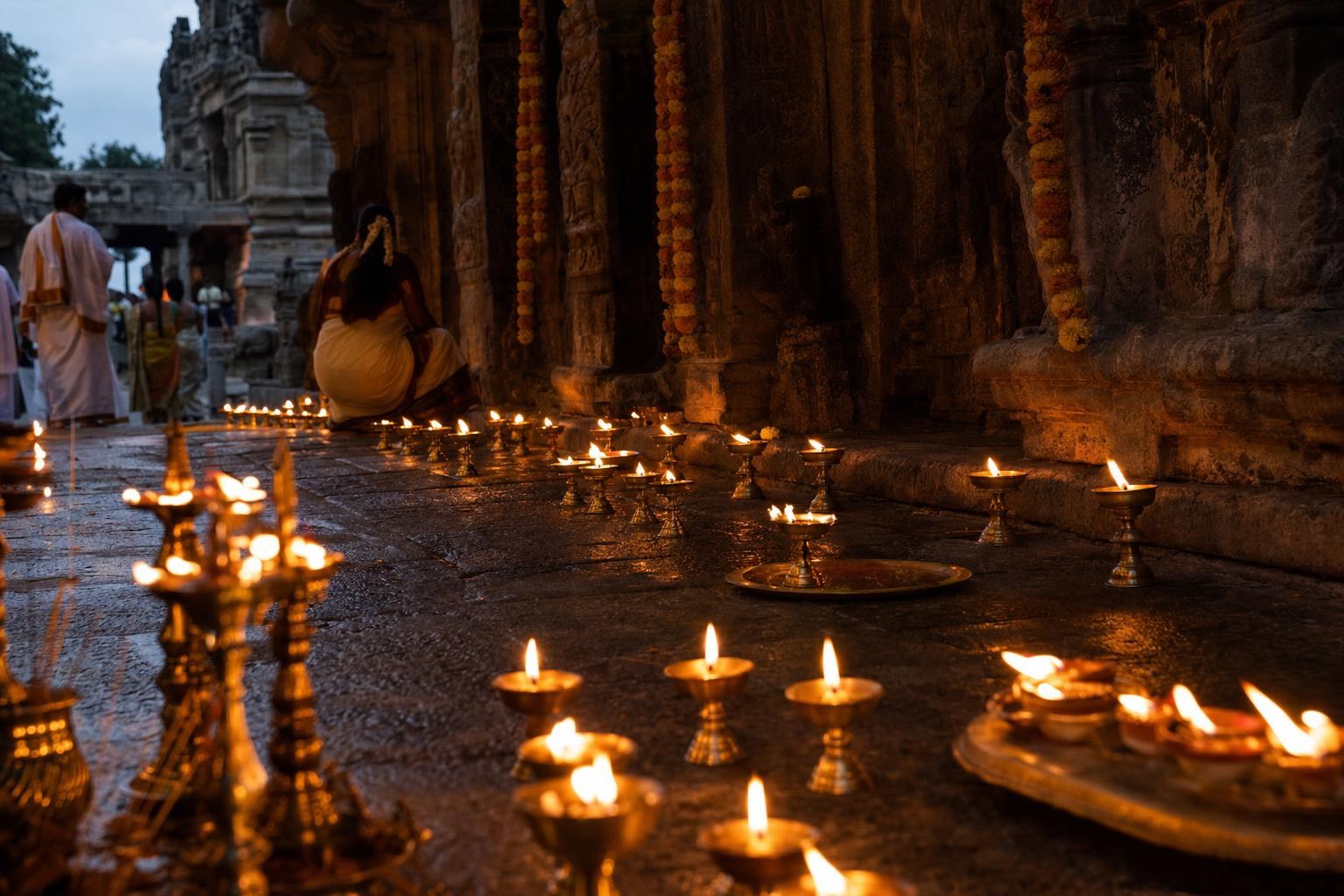
The yoga tradition grew from those texts. Its classical handbook, the Yoga Sutras of Patanjali, is about two thousand years old, and it teaches stillness, breathing and attention as the way to notice and settle that energy. Later texts added the map most people know today, seven centres along the spine called chakras, and the use of simple objects in practice: a seat, a lamp, stones, water and flowers.
None of this was learned alone. A student sat with a teacher, on a mat, with the objects the teacher used, and took one small step at a time. That is still how it is taught in India today.
What people find in it, and how we introduce it
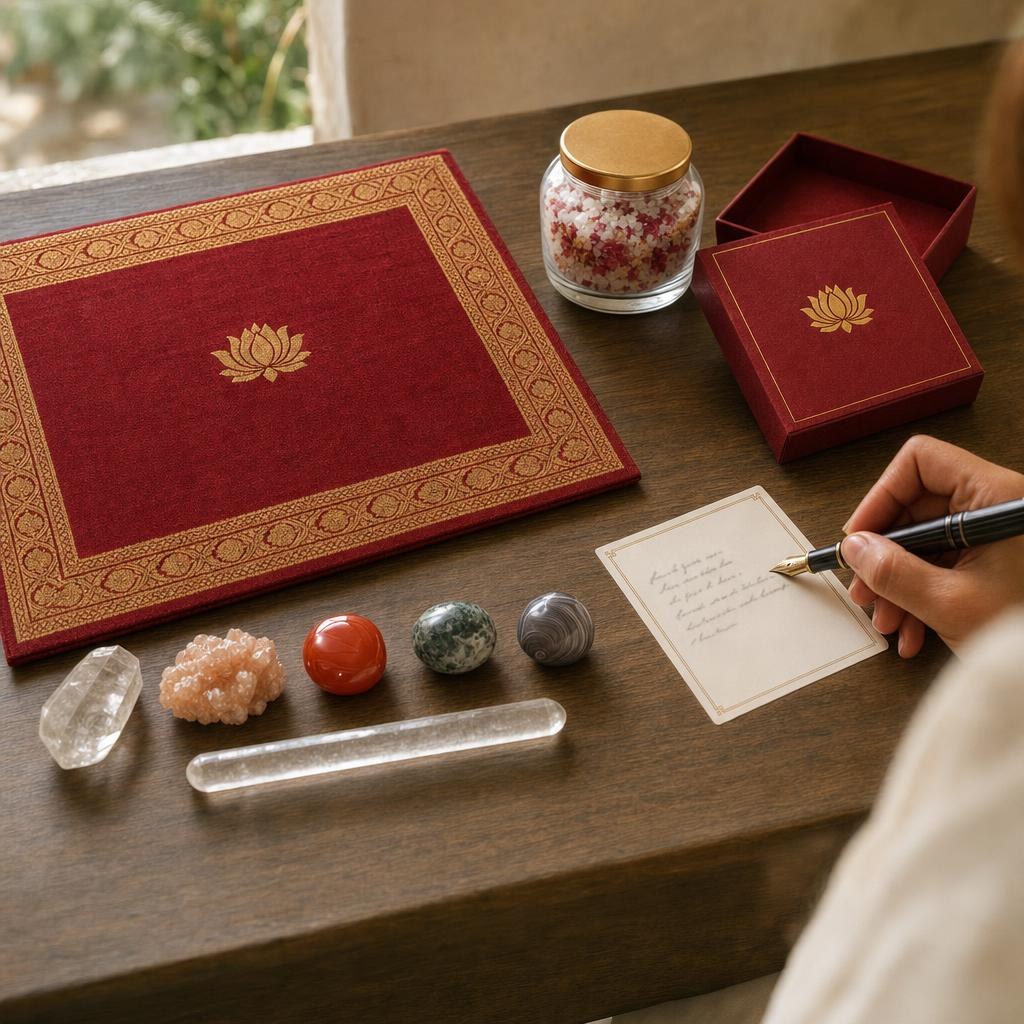
Energy practice is something you do, not something you buy: a place to sit, something in your hands, and a teacher, for a few minutes each day. We describe what each piece is, where it came from and what was done to it. We make no claims about what the practice does for your health.
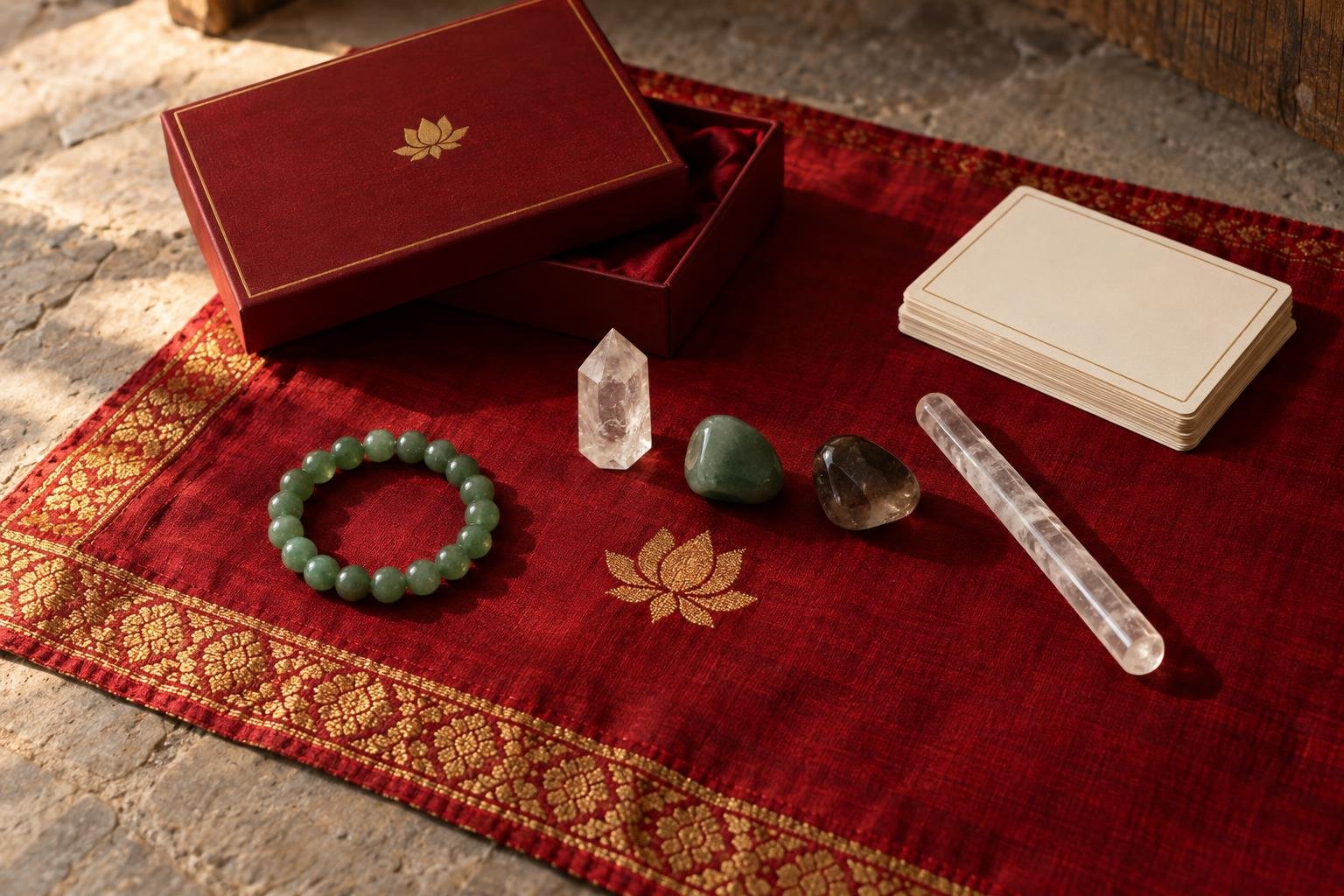
Starting at home without a teacher is hard. You do not know where to sit, what to hold, or what to do for the first ten minutes. AtaalaPrana answers those three questions the way the tradition does. The cloth gives you a place to sit. The stones and the wand give your hands something to do, and the bracelet goes with you between sessions. The ataala app gives you a teacher, one short session at a time, led by a practitioner trained in the Indian tradition.
Every piece was chosen by practitioners who use these things themselves. Each one is mined, cut and made in India, where the practice and the crafts that serve it began, by a maker who has spent a working life at that craft. We say who made it and where, and every stone is consecrated by one of our trusted energy healers before it leaves India.
India is the home of this practice
Yoga, meditation and the study of prana, the Sanskrit word for life energy, began in India. They were taught and written down there more than two thousand years ago, and people still travel to India from all over the world to learn them at their source.
We make every piece in India for that reason. The knowledge behind the practice, the materials in the box and the crafts that shape them all come from the same place.
- The source
- Indian texts that are more than two thousand years old describe how to sit, how to breathe and how to meditate.
- The language
- Prana, chakra and asana are Sanskrit words from India, and the whole world now uses them.
- The crafts
- Indian weavers, stone cutters and distillers have handed their skills down through families for centuries.

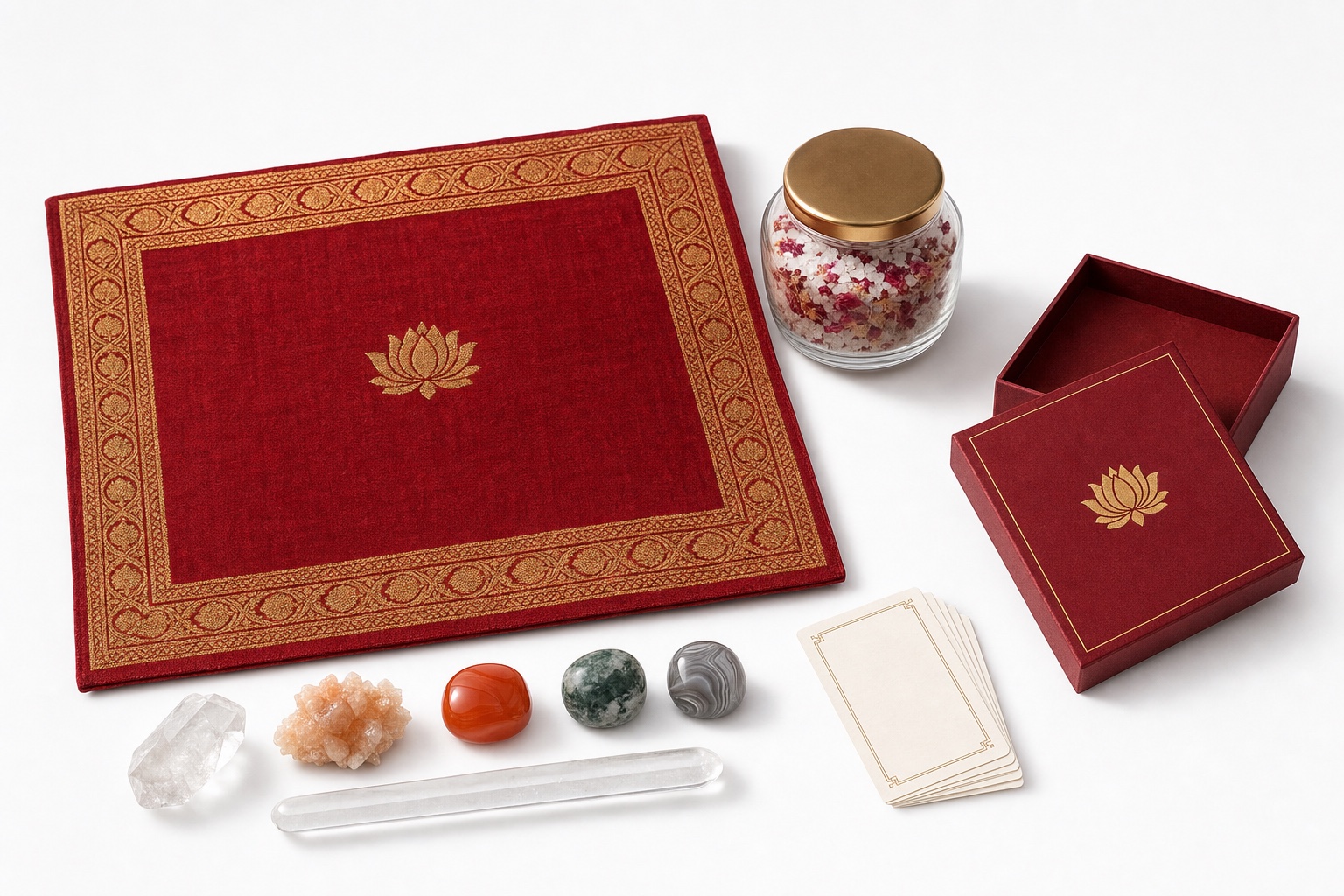
What is in the box
This is the Full Collection. The Small Collection has one stone, a bracelet, its card and a pouch. The Black Collection sets the same practice around the evening, a stressful day and focused work.
The sitting cloth
A flat square of red cloth with a woven gold border, about 50 cm across. You sit on it to practise, and it folds away.
Woven in India; cut and sewn by a tailor we name
Three stones
Clear quartz, green aventurine and smoky quartz, each hand selected and consecrated by one of our trusted energy healers.
Mined in India; the mine of each is named on its card
A beaded bracelet
Round beads of the same Indian stone on a strong elastic, with no metal, so it can be worn every day.
Beads cut at Khambhat, Gujarat; strung by us
Crystal wand
A polished clear quartz wand, about 15 cm long, used in the guided sessions.
Shaped at Khambhat, Gujarat
Practice cards and origin record
One card for each stone and for each practice, step by step, with the care guidance for every piece, and a dated record of who made and consecrated your collection.
Designed by us, printed in India
The box
A rigid red box with a gold line and a magnetic closure, made to be opened and closed for years. Each piece has its own place inside.
Made in India, finished and packed by us
The ataala app
A code card in the box unlocks ataala Plus. The app leads you through your first weeks one guided session at a time, and the practice cards show every step when you would rather leave your phone in another room.
Three months with the Full Collection, two with the Black Collection, one with the Small Collection
Three collections
The Small Collection is £68, the Black Collection is £120 and the Full Collection is £175.
The first 200 collections are numbered, and they go to the people on the waitlist first. When they are ready we write to you, you choose yours, and your number is printed on the origin record in your box.
Every piece passes through four stages, and we can show you each one
We buy from people we have met, we name the tailor who sews the cloth and the cutter who shapes the stones, and we write down who did what. Follow the whole journey.
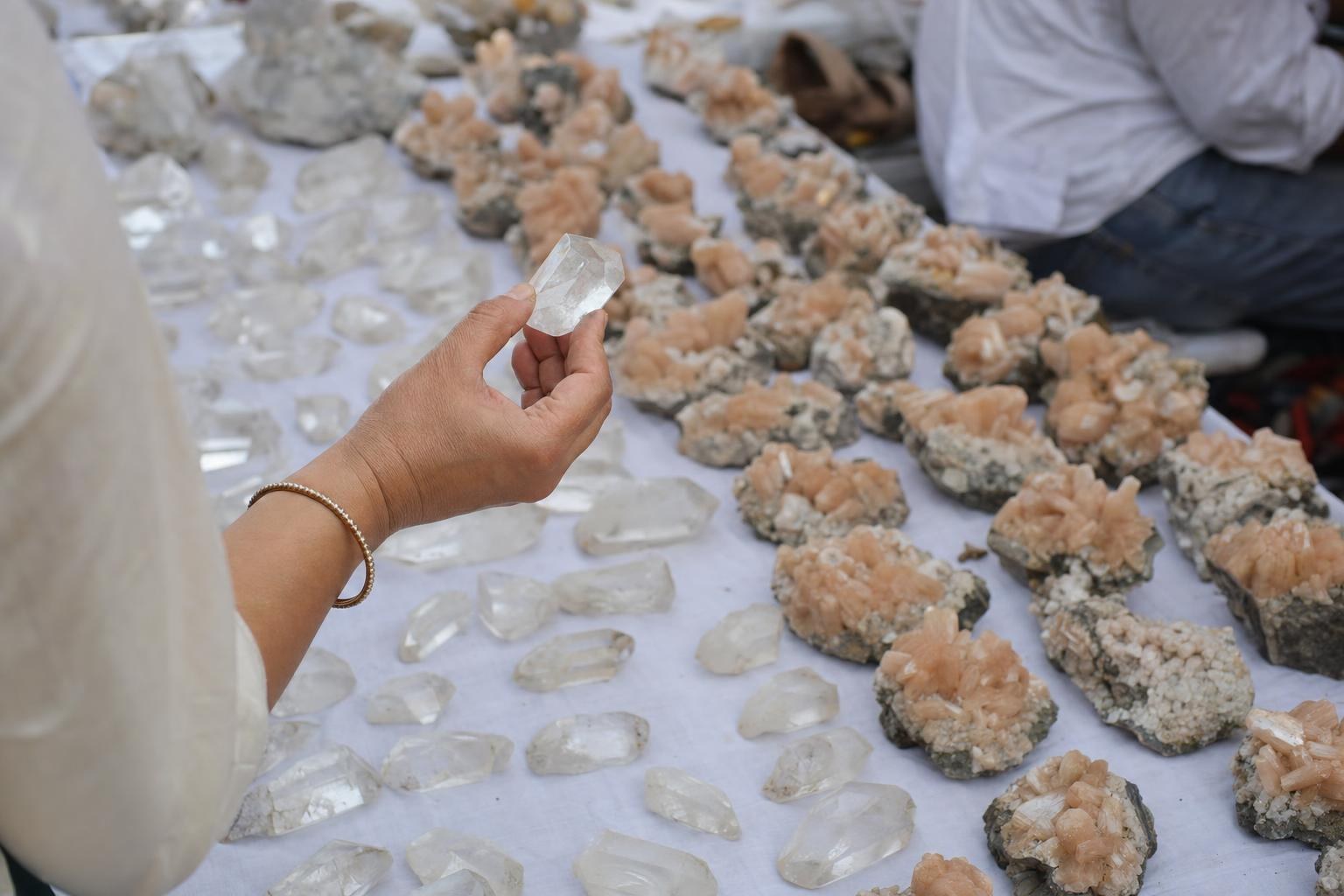
Sourcing
Stones from named Indian mines, cloth from Indian looms. Nothing is bought unseen.
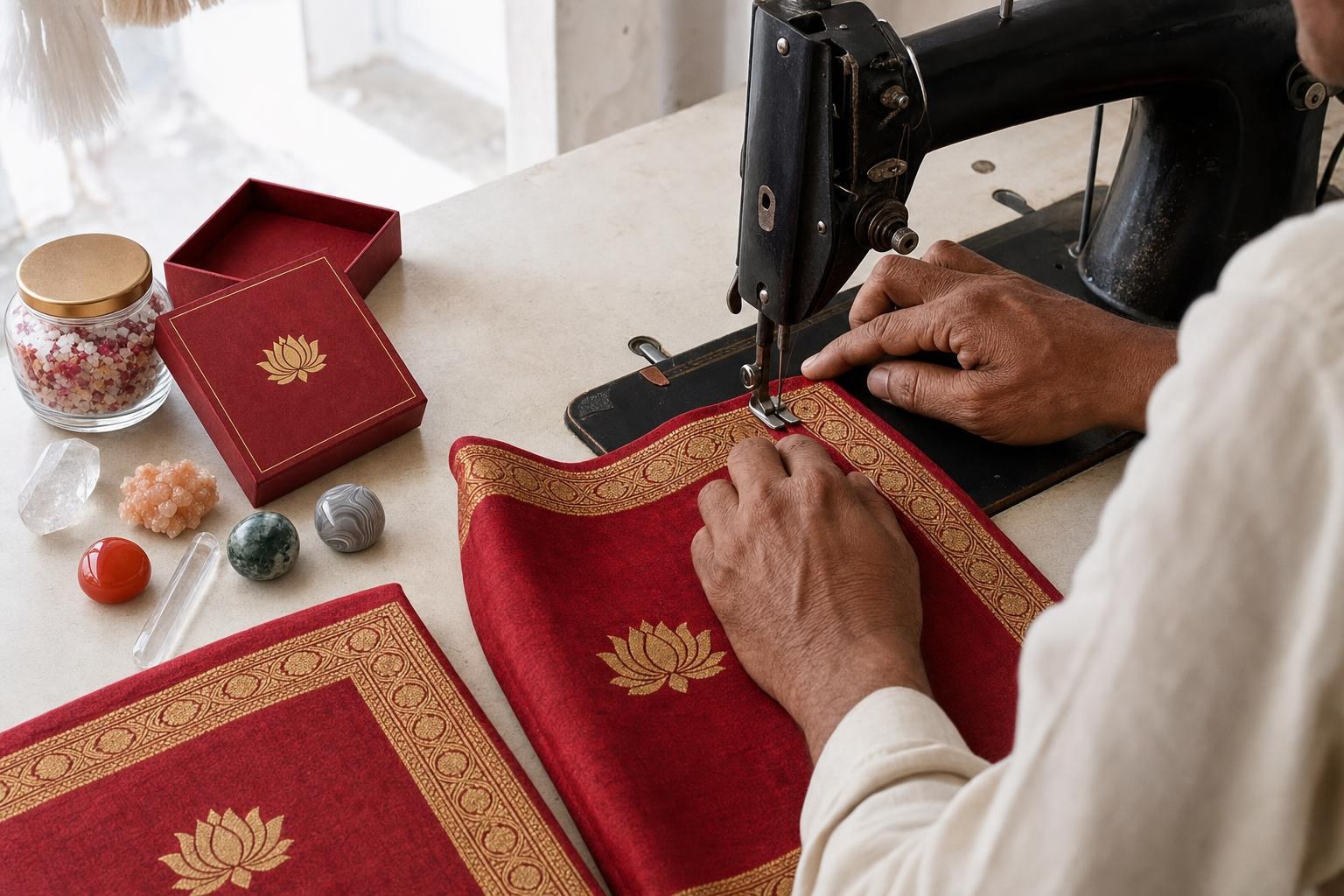
Making
A tailor we name sews each cloth; the cutters of Khambhat shape the wand and the beads.
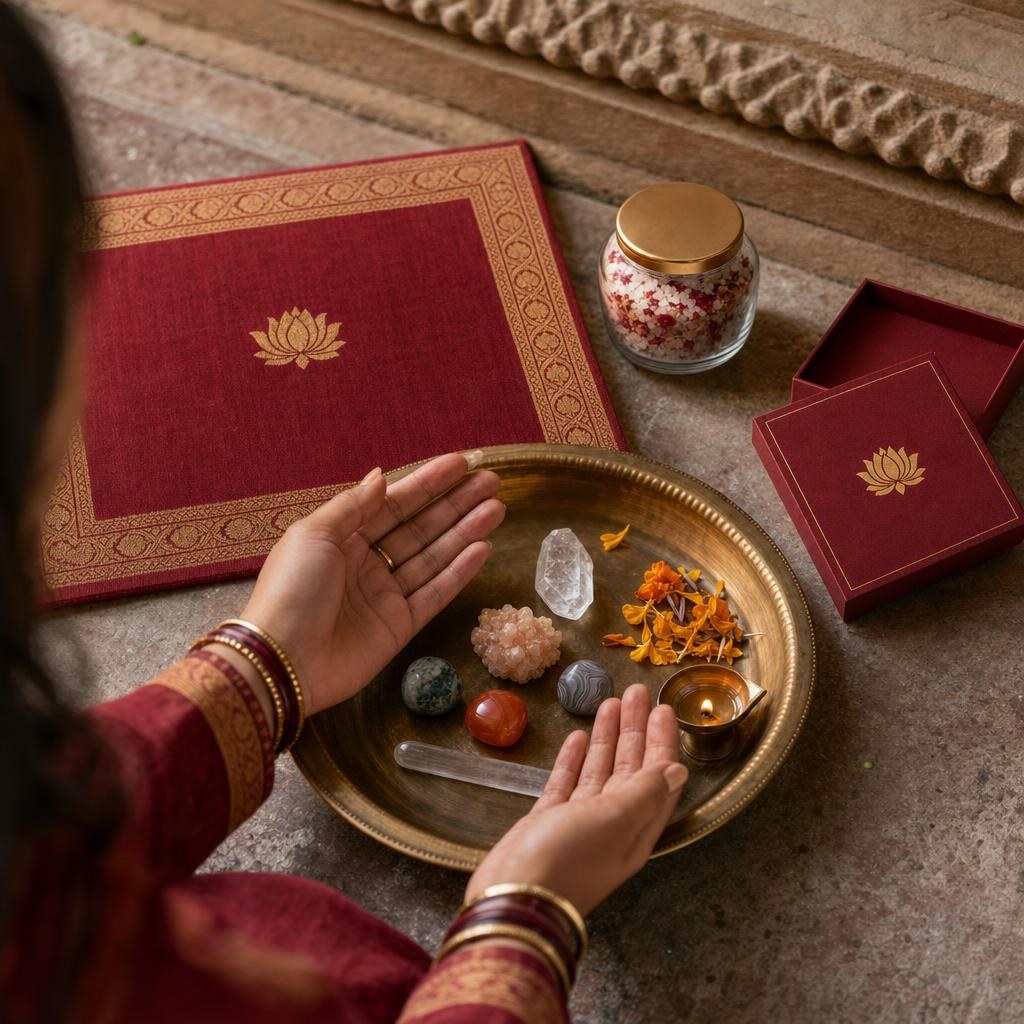
Consecration
Every stone is hand selected and consecrated by one of our trusted energy healers, one dated batch at a time.
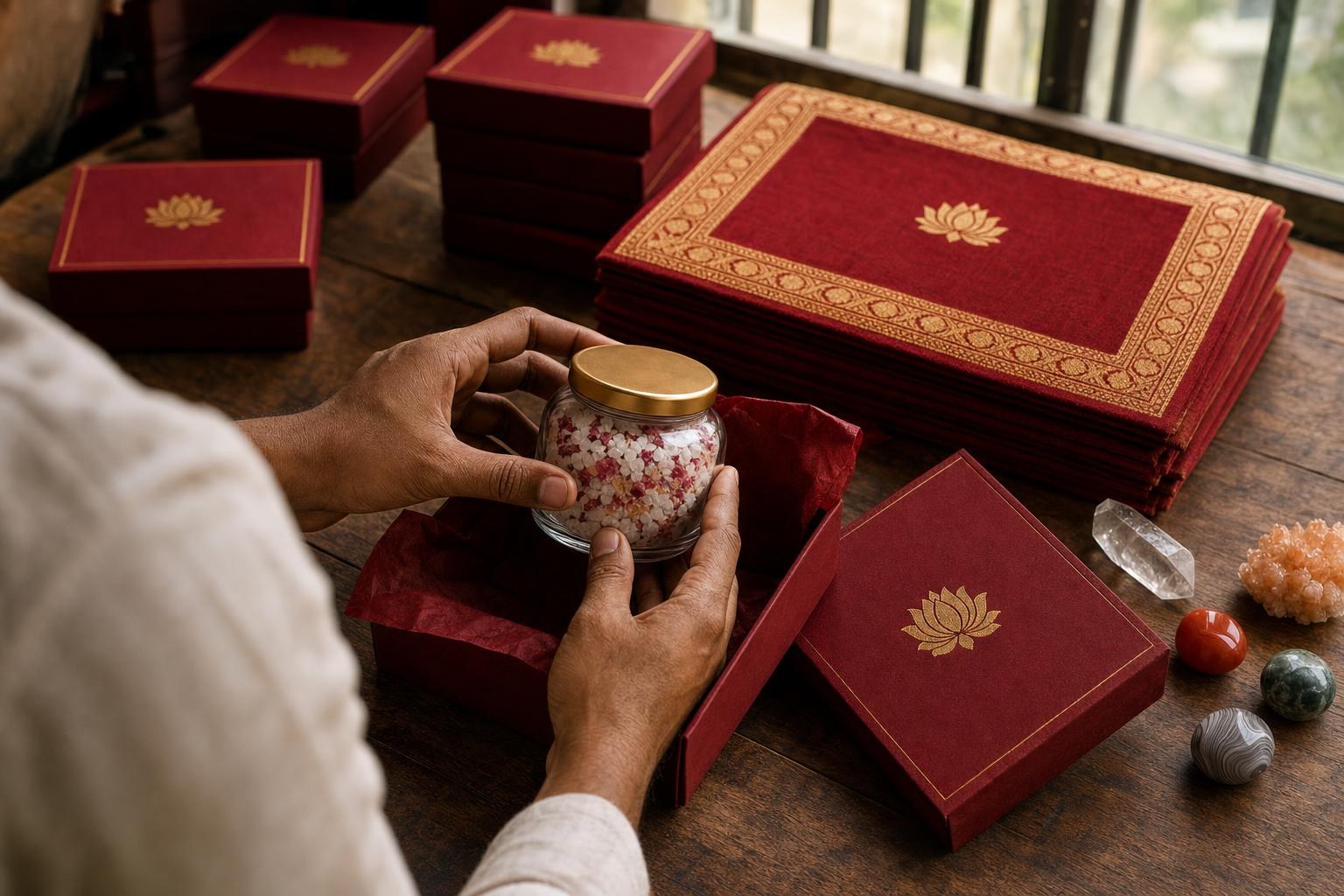
Packing
We pack each box by hand and add a dated origin record.
Join the waitlist
Leave your email and we write to you when the first collections are ready, in spring 2027, before anyone else. Tell us whether it is for you or a gift, so we send you the right notes. We send one email to confirm your address, and nothing else until then.